
As we bid farewell to the old and welcome the new, BPWHK sends warm wishes for a happy and prosperous New Year. Cheers to a fresh start and a year full of blessings!

As we bid farewell to the old and welcome the new, BPWHK sends warm wishes for a happy and prosperous New Year. Cheers to a fresh start and a year full of blessings!
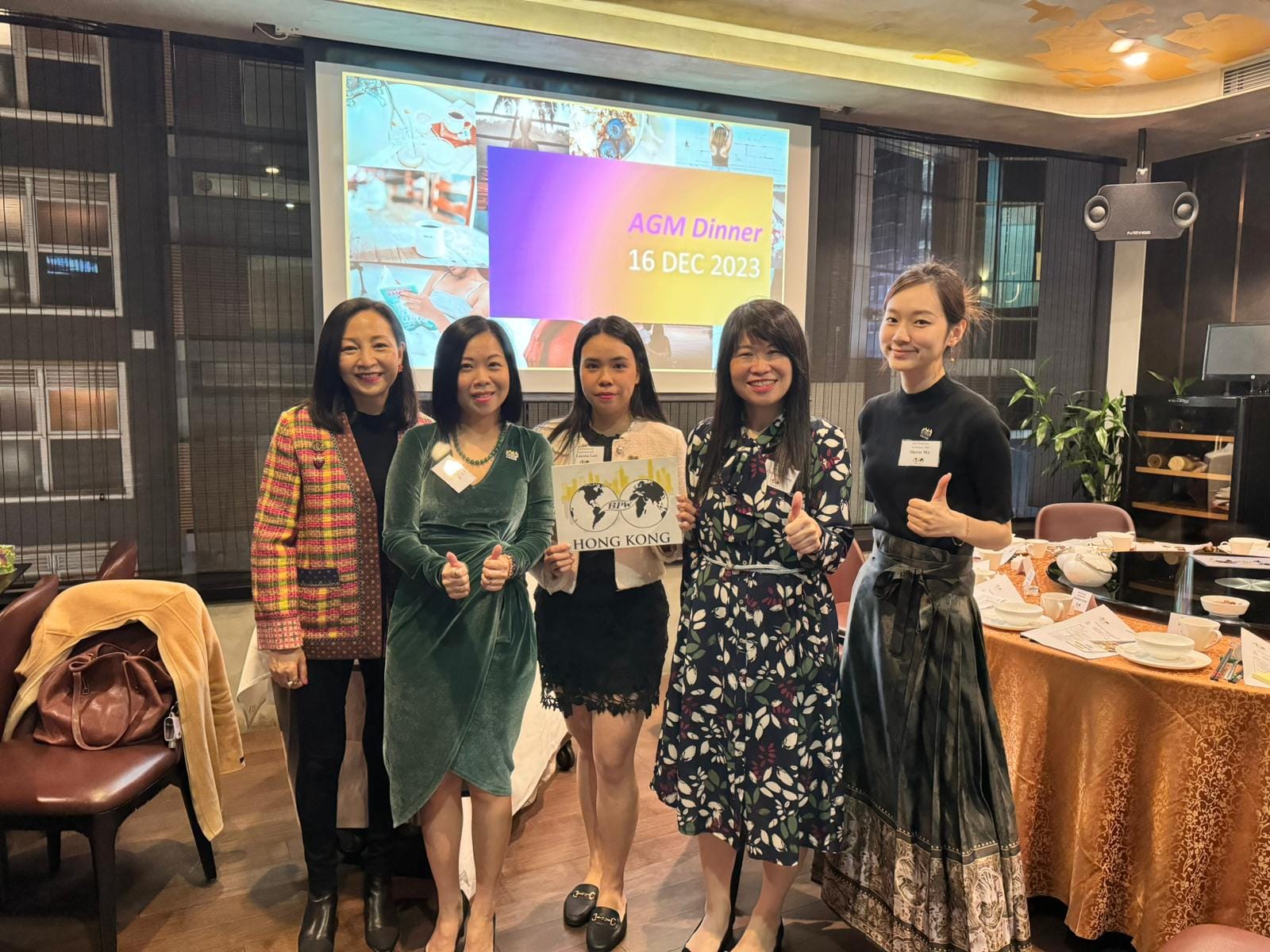
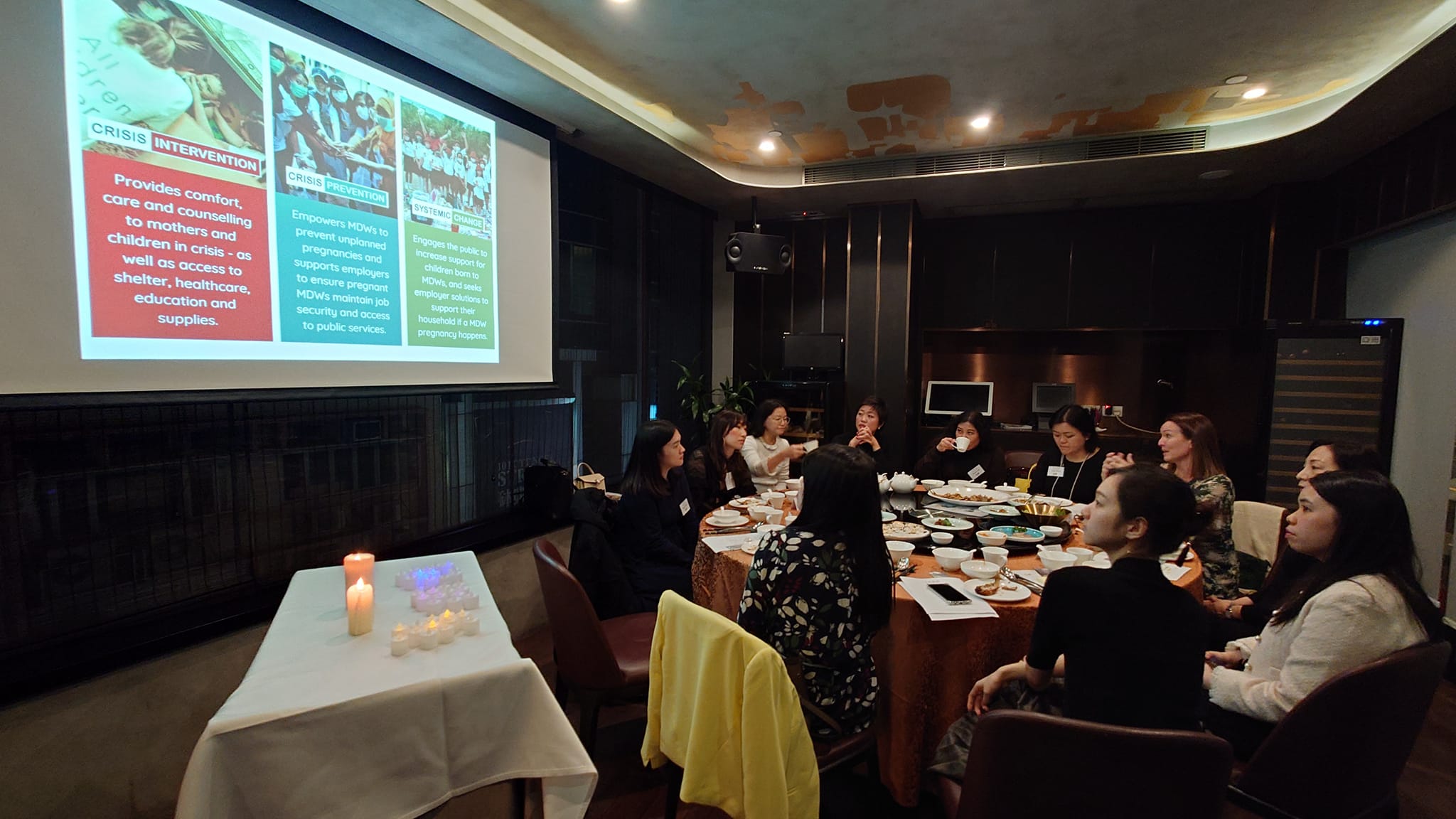
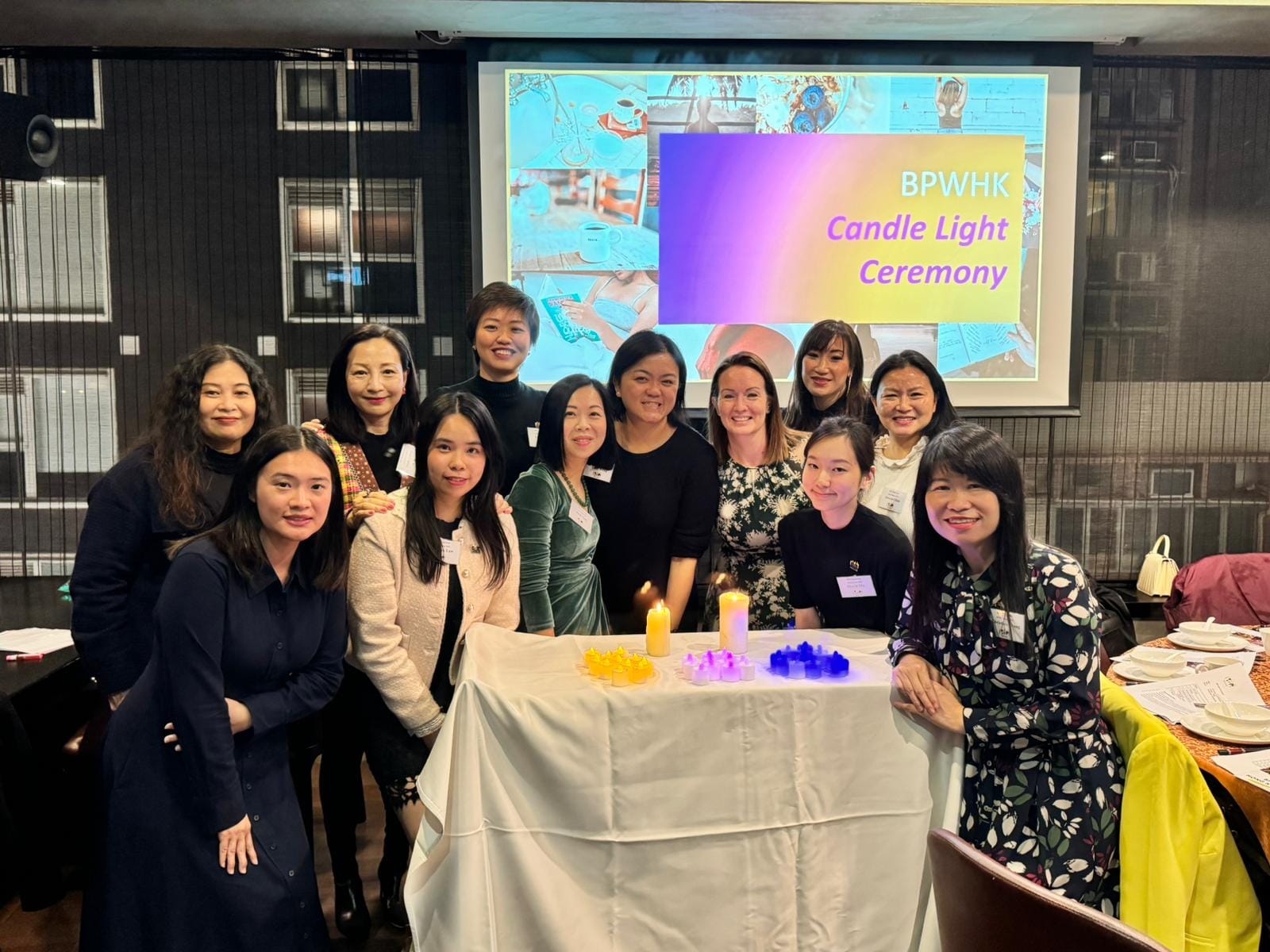
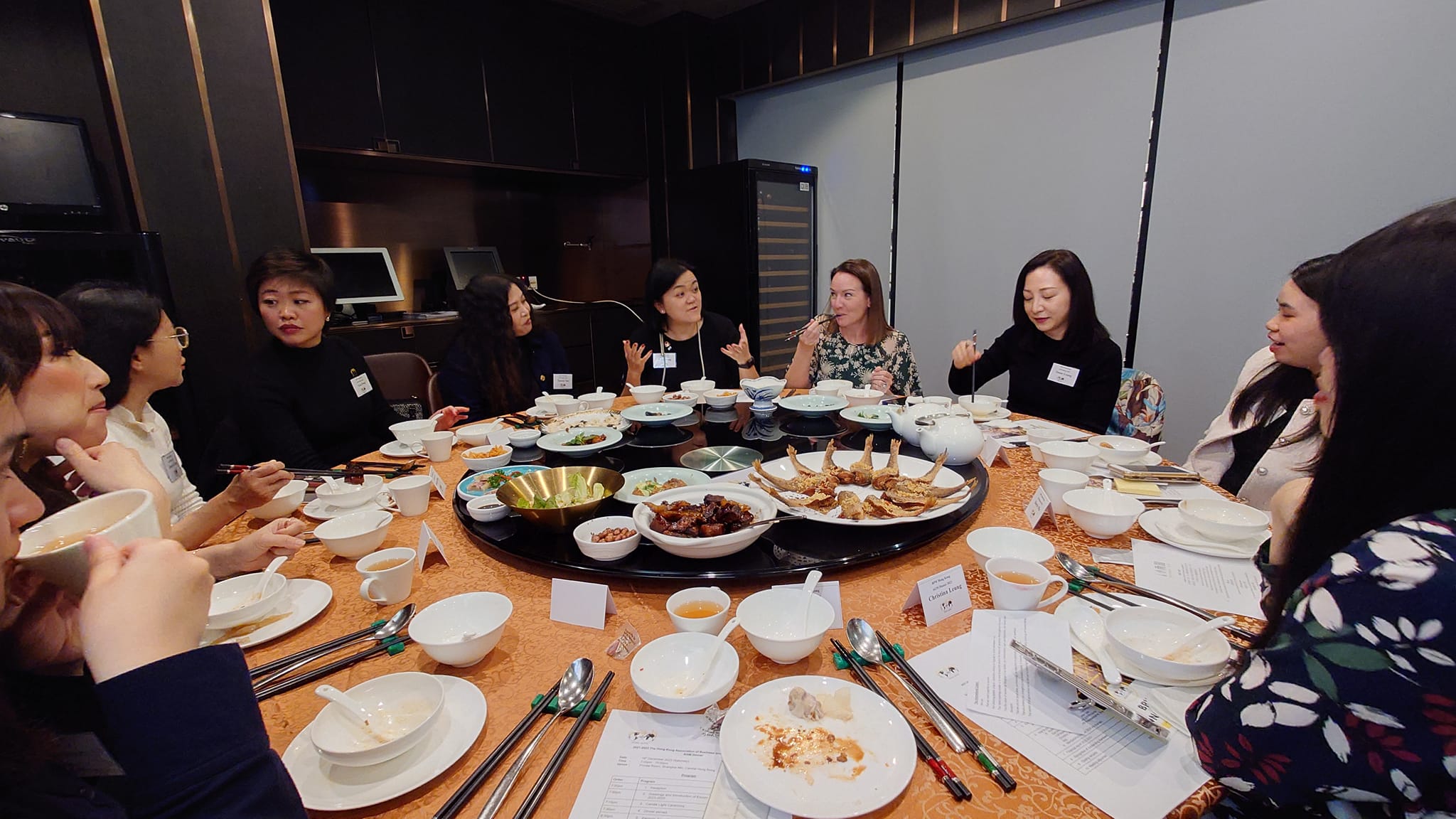
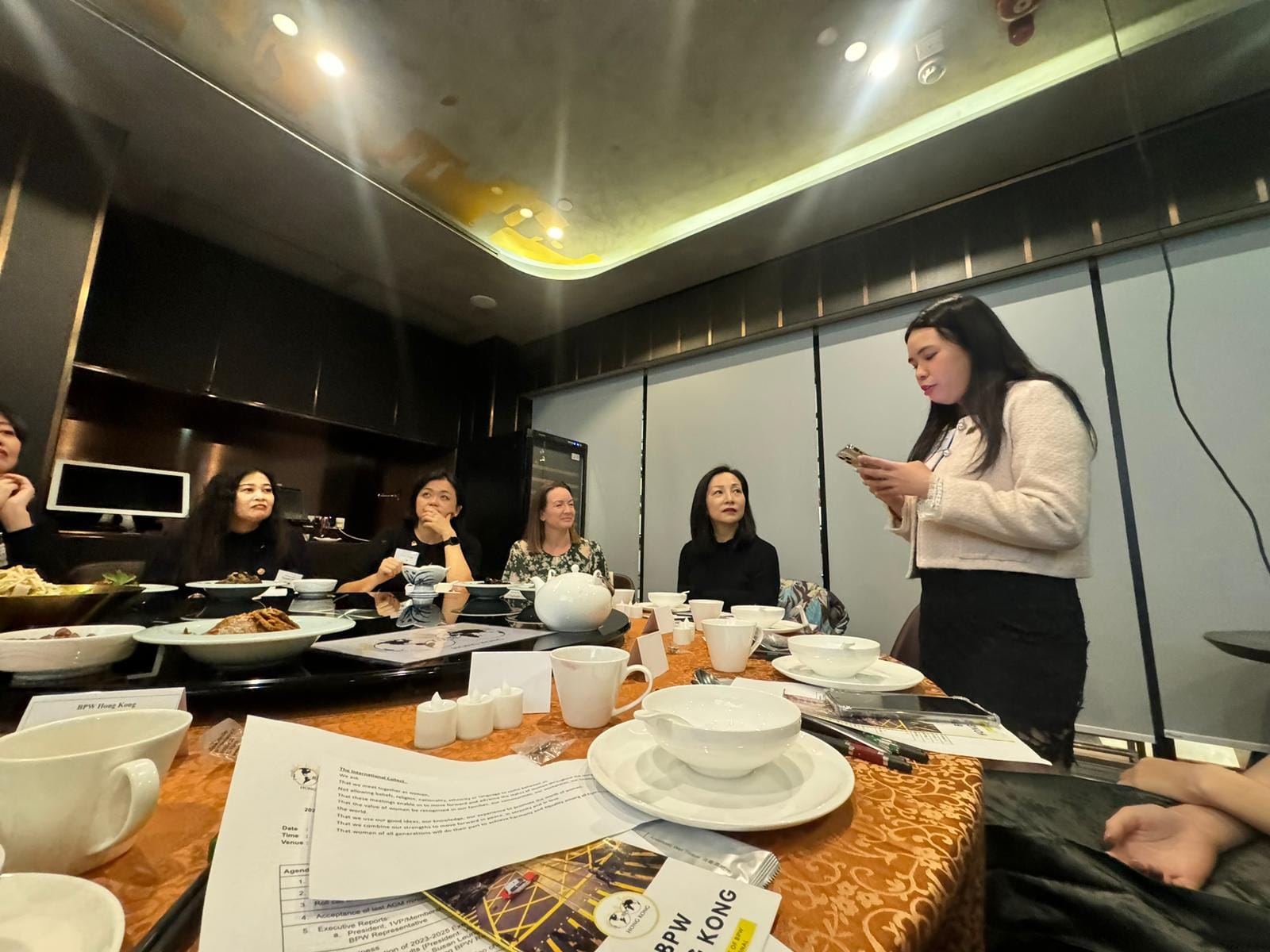
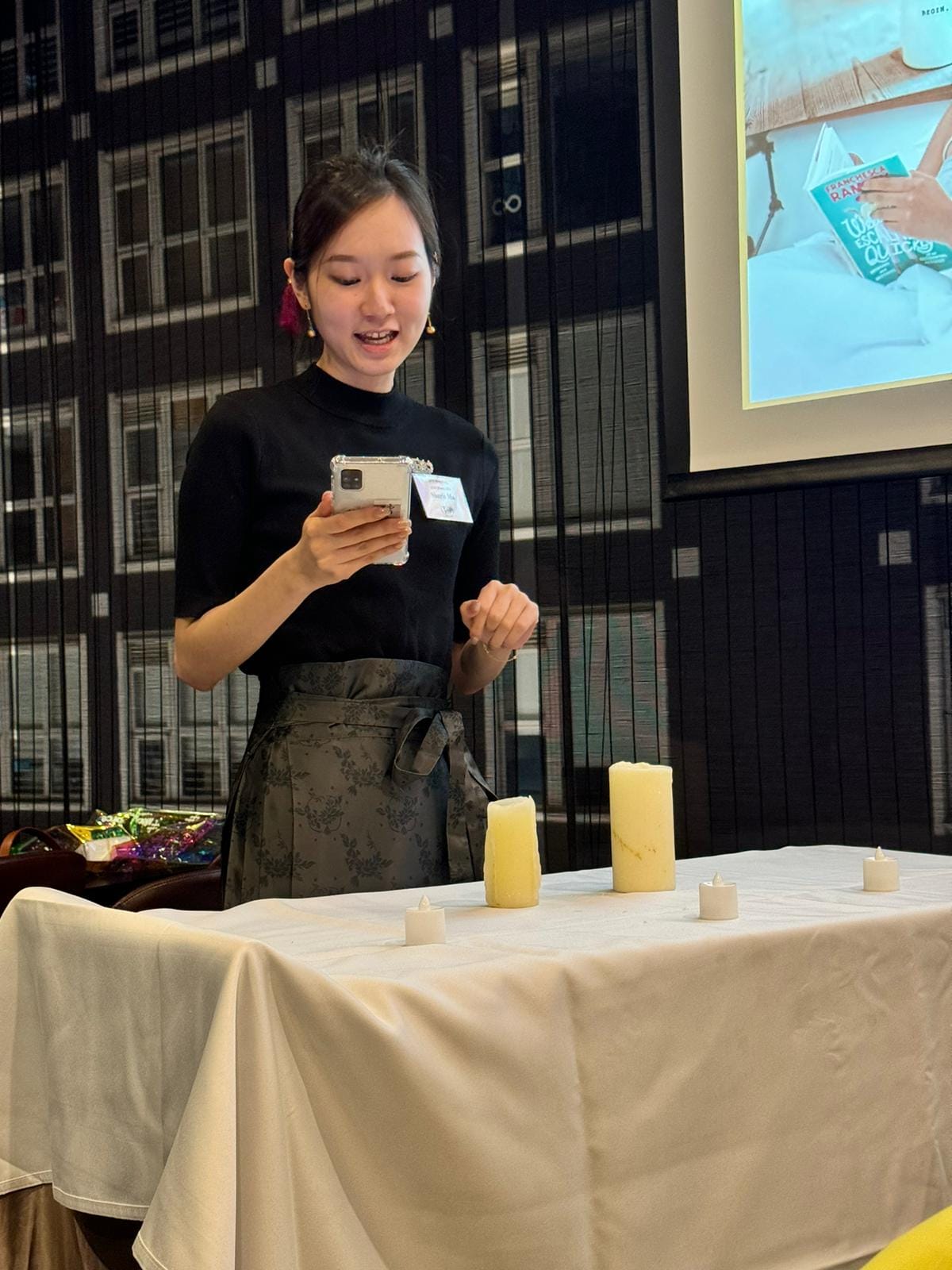
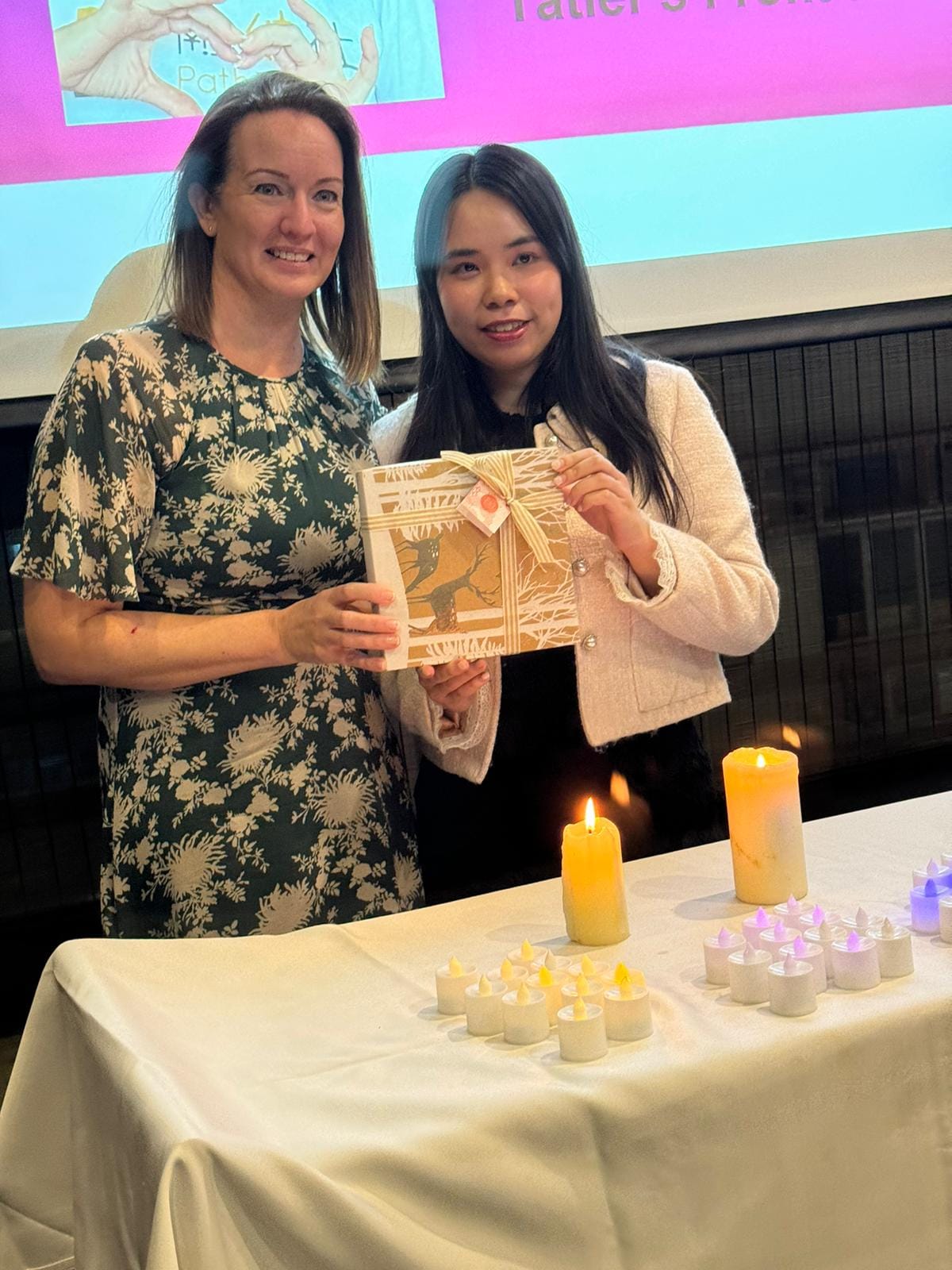
We invite members and guests to be part of BPWHK’s AGM and to witness the Candle-Lighting Ceremony. Afterwards, we have invited Catherine Gurtin, CEO of PathFinders to share with us her experience and work at PathFinders.
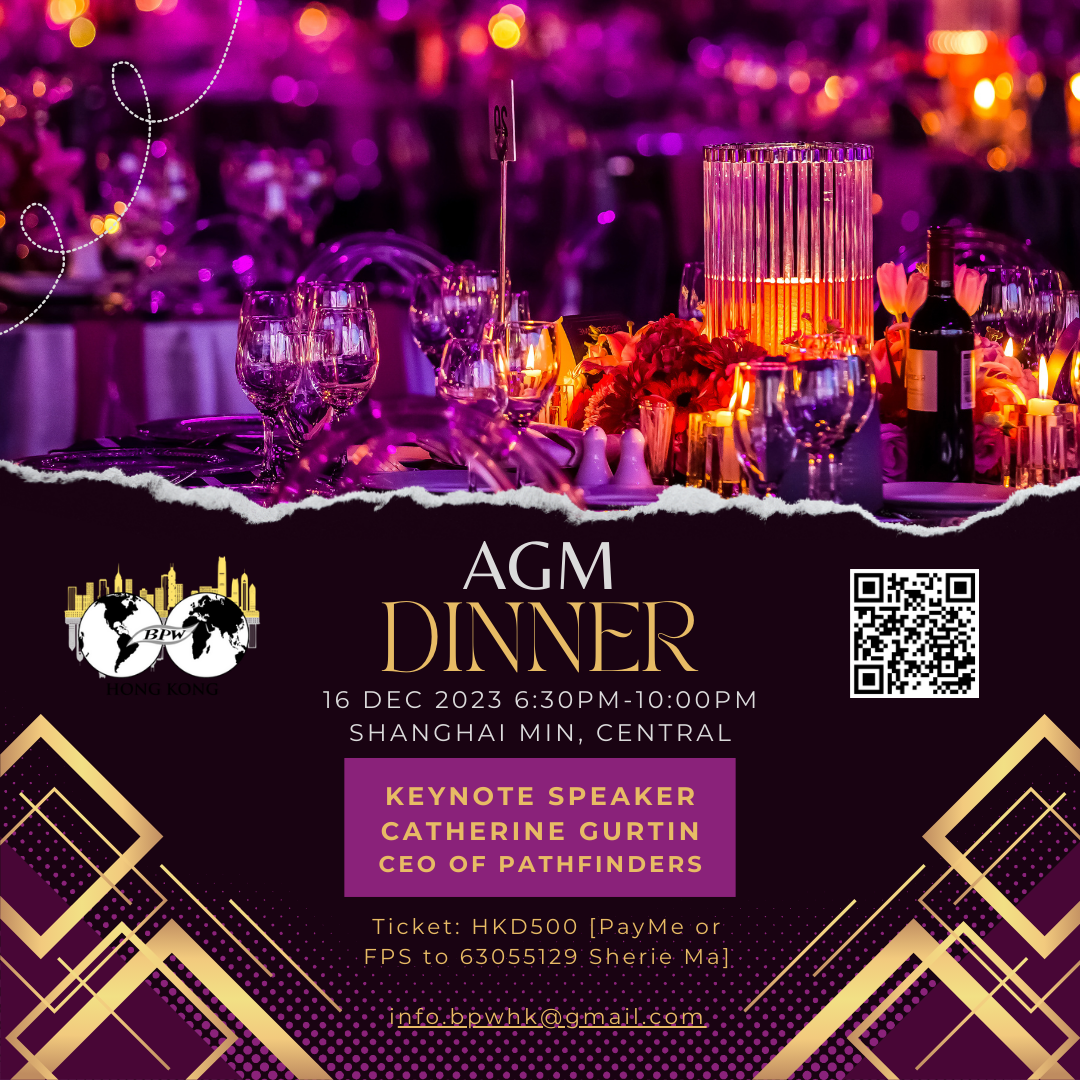
2023 Date: 16 December 2023 (Saturday)
Annual General Meeting: 6:30PM
Reception: 7:00 PM
Dinner Start: 7:30 PM
Venue: Private Room, Shanghai Min, Central Hong Kong [3/F, Man Yee Building, 60-68 Des Voeux Road Central, Central]
Keynote speaker: Catherine Gurtin, CEO of PathFinders
Tickets: $500 (including private room service, 10-course dinner and lucky draw prize)
Payment method: PayMe or FPS to 63055129 Sherie Ma
Registration *First come first served: https://forms.gle/nJfA84FBaBqJ8oh79
Inquiry: info.bpwhk@gmail.com
Thank you all the Young BPW Hong Kong members and friends for coming! Cheers for our young fellowship and energetic sisterhood over popcorns.


Following is a letter by The Hong Kong Association of Business and Professional Women (BPWHK) expressing concerns to the Chief Executive of the Government of the Hong Kong Special Administrative Region, Mr. John Lee Ka-chiu, in response to The Chief Executive’s 2023 Policy Address of Hong Kong
On behalf of Business and Professional Women Hong Kong (BPW Hong Kong), we write to express our critical concerns regarding the family planning policy outlined in the Chief Executive’s 2023 Policy Address. While acknowledging the government’s efforts to address the persistently low birth rate, we find the proposed measures lacking attentiveness and foresight, particularly in relation to individuals, especially women’s choices, and the long-term sustainability of both the policy and society.
This letter begins with a critique of the current policy, focusing on financial incentives and their limitations, supported by research findings. The second section proposes a more inclusive strategy, emphasising government support for a spectrum of reproductive options, such as extending the time for egg freezing and providing financial subsidies. The next part addresses the government’s refusal to extend egg freezing time, emphasising the evolving demographic trends and societal shifts overlooked by the current approach. The subsequent contents explore the potential of egg freezing in the long run, aligning with demographic changes and technological advancements. The third section criticises the government’s stance from a human rights perspective, citing the UNFPA’s approach to family planning. The final part discusses future policy directions, recognising the evolving challenges of contemporary societies. The conclusion urges a reconsideration of the current policy, calling for a more inclusive and sustainable approach aligned with individual choices and human rights principles.
Current Policy, Financial Incentives, and Their Limitations
The current policy approach in Hong Kong aims to address the persistently low birth rate by promoting fertility and creating a childbearing environment. Despite being well-intentioned, the policy, as outlined in paragraphs 113 and 114, focuses heavily on financial incentives to encourage childbearing. The measures include a one-off cash bonus for new-borns, an increase in accommodation-related tax deductions for families with children, and priority arrangements for families with new-borns in flat selection and public housing allocation. While these initiatives recognise the challenges associated with childbearing decisions, particularly in a high-cost environment like Hong Kong, the efficacy of such financial incentives remains a subject of scrutiny.
Research suggests that these financial incentives may not significantly influence fertility behaviour on a large scale. Small lump-sum payments, such as the proposed cash bonus of HKD $20,000, are unlikely to have a substantial impact on fertility rates. This is due to the limited coverage of costs associated with raising children. While such initiatives may have a more noticeable impact on lower-educated, lower-income, or jobless individuals, who find public transfers more valuable, their broader influence on overall fertility rates appears to be limited. The proposed incentives may not possess the strength needed to reverse the persistent trend of declining birth rates in Hong Kong.
While generous monetary incentives directed at both low and high-income households could yield larger results, they come with substantial financial costs. The feasibility and sustainability of such an approach warrant careful consideration, especially in the context of Hong Kong’s unique socio-economic landscape. Therefore, a more holistic and nuanced approach, encompassing societal, cultural, and work-life balance considerations, is essential to comprehensively address the multifaceted challenges associated with boosting fertility rates in Hong Kong.
Facilitating Government Support for a Spectrum of Reproductive Options: The Long-Term Potential of Egg Freezing
Recognising the limitations of the current approach, we hereby propose a more inclusive strategy that facilitates government support for a spectrum of reproductive options, including extending the time for freezing eggs and providing financial subsidies. This approach aligns with the evolving dynamics and needs of Hong Kong’s contemporary landscape and acknowledges the importance of empowering individuals, especially women, to make informed and autonomous decisions about their reproductive choices.
To frame our discussion on family planning, it’s crucial to reference a key sentiment expressed during the 2023 Policy Address Legislative Council Question and Answer session. The essence of the statement is that while there is a proposal to extend the time for freezing eggs, the overarching healthcare policy prioritises early childbirth for those capable of reproducing. The rationale emphasises that parents should ideally conceive early when their health conditions are optimal. Despite recognising the proposal, the government finds it inconsistent with the policy direction, particularly the medical community’s assertion that “early childbirth is preferable.”
The government’s refusal to extend the time for egg freezing, citing a preference for early childbirth, raises significant concerns in our community as business and professional women. To give birth while “egg is young” may be good for the genes and good as a matter of “science” but it is at the expense of other priorities including women’s careers. This decision neglects the evolving demographic trends and societal shifts, disregarding the potential benefits of extending egg freezing time for women who may wish to delay childbearing to pursue education, career development, or other personal aspirations.
Looking beyond the immediate horizon, the potential of egg freezing emerges as a transformative force in enhancing fertility rates. While its immediate impact may not be pronounced, egg freezing holds promise for the long run, gaining significance as individuals, especially women, increasingly opt to start a family at later ages—a demographic trend that is becoming inevitable. Accessible Assisted Reproductive (AR) technologies, with egg freezing at the forefront, offer promising prospects for enhancing fertility rates. Studies suggest that these technologies may have a small but positive effect, potentially up to 4%, considering various factors like spontaneous pregnancies, unplanned births, and the realities of AR procedures. Facilitating government support for egg freezing, such as extending the time for freezing eggs and providing financial subsidies, emerges as an important tool in mitigating fertility challenges and empowering individuals, especially women, to shape their family-building journeys on their own terms.
Facilitating Government Support for a Spectrum of Reproductive Options: Human Rights-Based Approach to Family Planning
Building on the discussion of fertility and egg freezing, our attention turns to the foundational principle of autonomy in family planning, with a particular emphasis on respecting the autonomy of individuals, especially women. This involves a nuanced understanding of the intricate interplay of personal, professional, and health-related factors that distinctly influence the choices of women. Rather than imposing rigid timelines, the focus is on recognising and respecting the autonomy of women as they navigate the complex landscape of reproductive decisions.
In this regard, another critical lens to view the facilitation of government support for a spectrum of reproductive options is through the United Nations Population Fund’s (UNFPA) human rights-based approach to family planning. This approach aligns with the broader notion of reproductive autonomy. By providing egg freezing options with government support, policymakers contribute to upholding and realising human rights, including the right to decide the number, spacing, and timing of children, the rights to health and life, the right to non-discrimination, and the right to private life. This inclusion not only respects individual choices but also places family planning within the framework of fundamental human rights, recognising that each person should have the freedom to make decisions about their reproductive health without discrimination and with respect for their privacy.
Therefore, we underscore the importance of education, resources, and support systems tailored to the unique needs of individuals, with a primary emphasis on women. This approach is pivotal in empowering women to make informed decisions about their reproductive health. By shining a spotlight on the principles of autonomy, informed decision-making, and human rights, after introducing practical policy measures, we highlight how policies can be grounded in a philosophical foundation while specifically addressing the real-world needs of women.
Gender Inequality, Contemporary Challenges and Policy Direction in the future
In navigating toward a more effective family planning approach, it is imperative to acknowledge and address the multifaceted challenges that contribute to low fertility rates in contemporary societies. Central among these challenges is the discord between professional careers and family life, stemming from women’s increased educational attainment and labour force participation. The struggle to harmonise paid work with child-rearing often leads to childlessness or limited family size. This issue is intricately linked with persistent gender inequalities in the division of housework, especially in societies with entrenched traditional gender role norms, which have long experienced notably low fertility rates.
Moreover, recent factors like the rise of intensive parenting, labour market uncertainty, and soaring housing prices have added complexity to the fertility decline. Future family policies must be attuned to evolving family structures and emerging economic and societal challenges. This includes addressing rising economic inequalities, adapting to new, unstable employment structures, navigating changing gender roles, recognising the increasing economic roles of mothers, and mitigating the impact of unaffordable housing costs for many families. Importantly, these policies should cater to diverse preferences people have regarding the timing and number of children, as well as their perceived preconditions for parenthood. In essence, comprehensive family policies should aim at creating family-friendly and child-friendly societies, focusing on the health, education, and overall well-being of children and families.
In conclusion, BPW Hong Kong urges a reconsideration of the family planning policy direction in the Chief Executive’s 2023 Policy Address. We propose a shift towards policies that respect individual choices, align with human rights principles, and address the complexities of contemporary family dynamics. We look forward to a more inclusive and sustainable approach that ensures the well-being of all individuals and families in Hong Kong.
The Hong Kong Association of Business and Professional Women
November 2023
The above statement is released by the Executive Committee of Business and Professional Women Hong Kong (BPW Hong Kong)
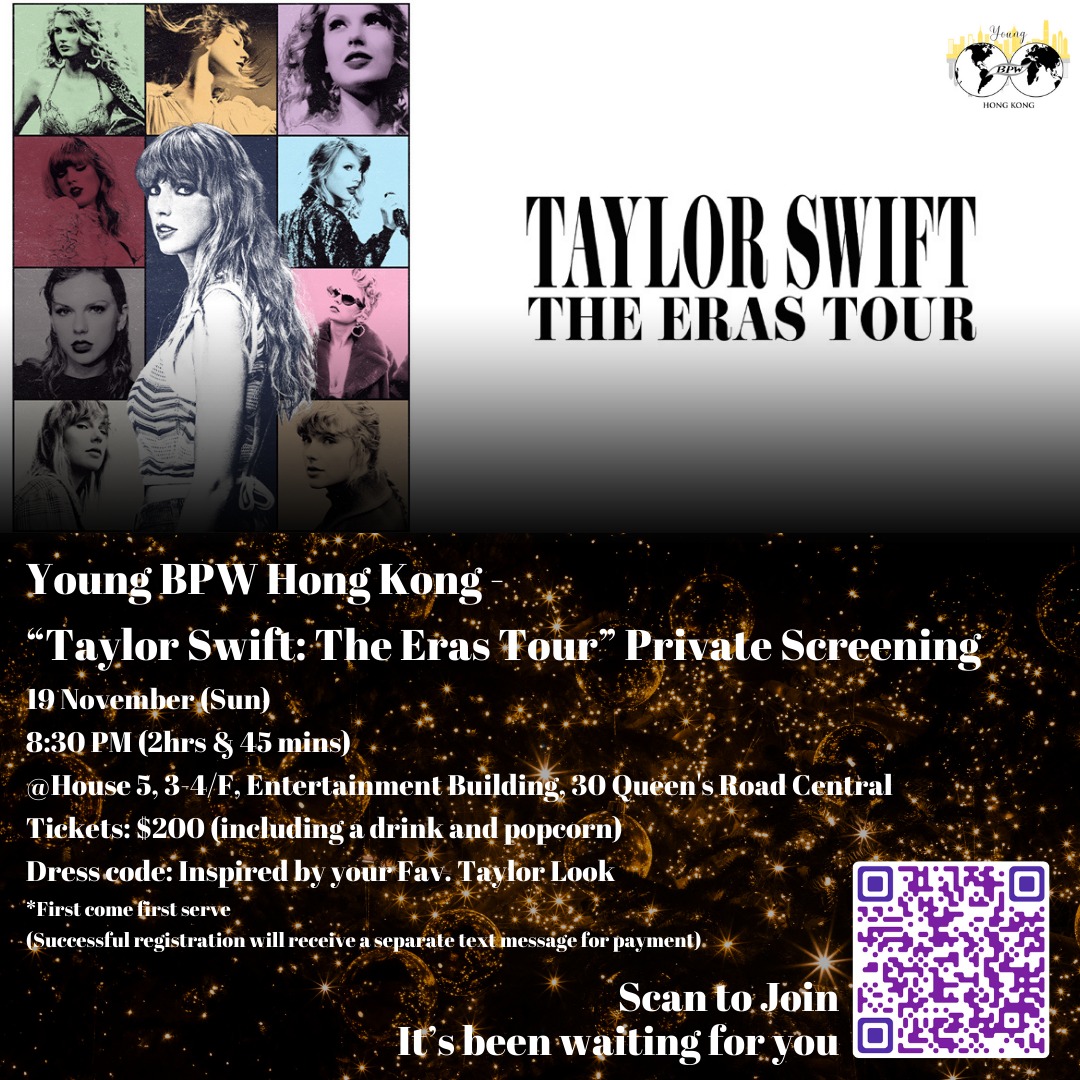
Date: 19/11 (Sunday)
Time: 8.30pm (2hrs & 45mins)
Venue: House 5, 3-4/F, Entertainment Building, 30 Queen’s Road Central, Central
Tickets: $200 (including a drink and popcorn)
Dress code: Inspired by your Fav. Taylor Look
*First come first served
(Successful registration will receive a separate text message for payment)
Registration link:
https://docs.google.com/forms/d/e/1FAIpQLSfFmwNVSnDmrhZu83BJAtz-41-9EpizivcL01vDctJsQrThiw/viewform
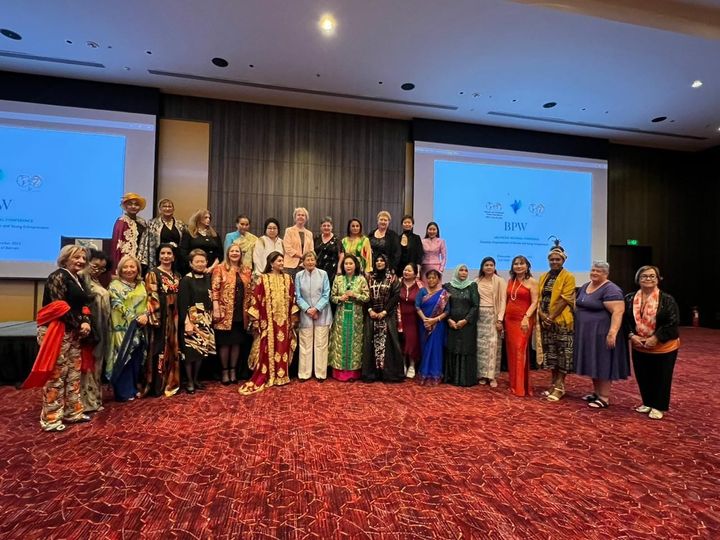
Lisa Fong, representing BPWHK, attending BPW Asia-Pacific Conference on 5-9 November 2023. BPW Asia-Pacific presidents and appointed delegates at the closing gala dinner in Bahrain.
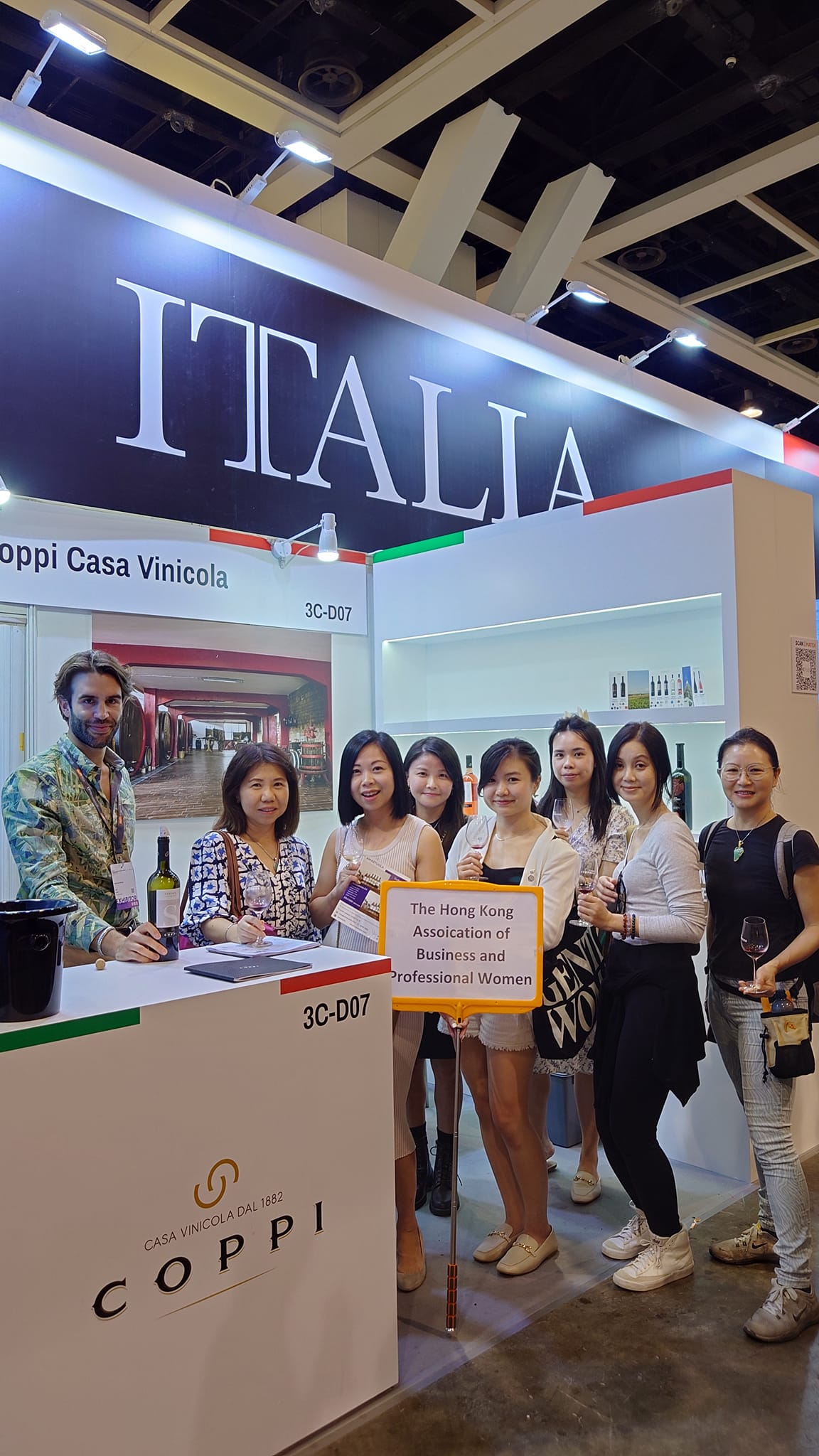
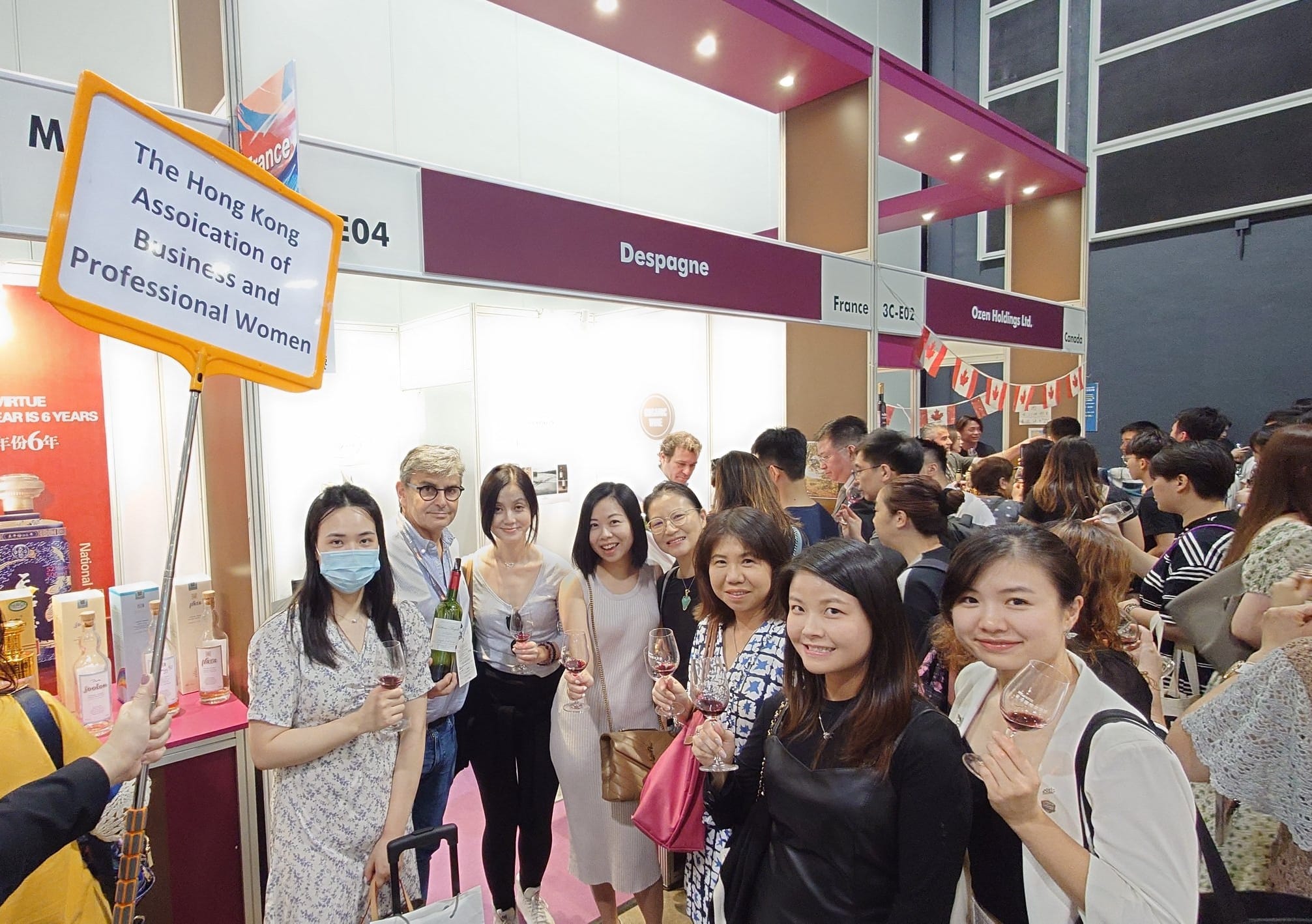
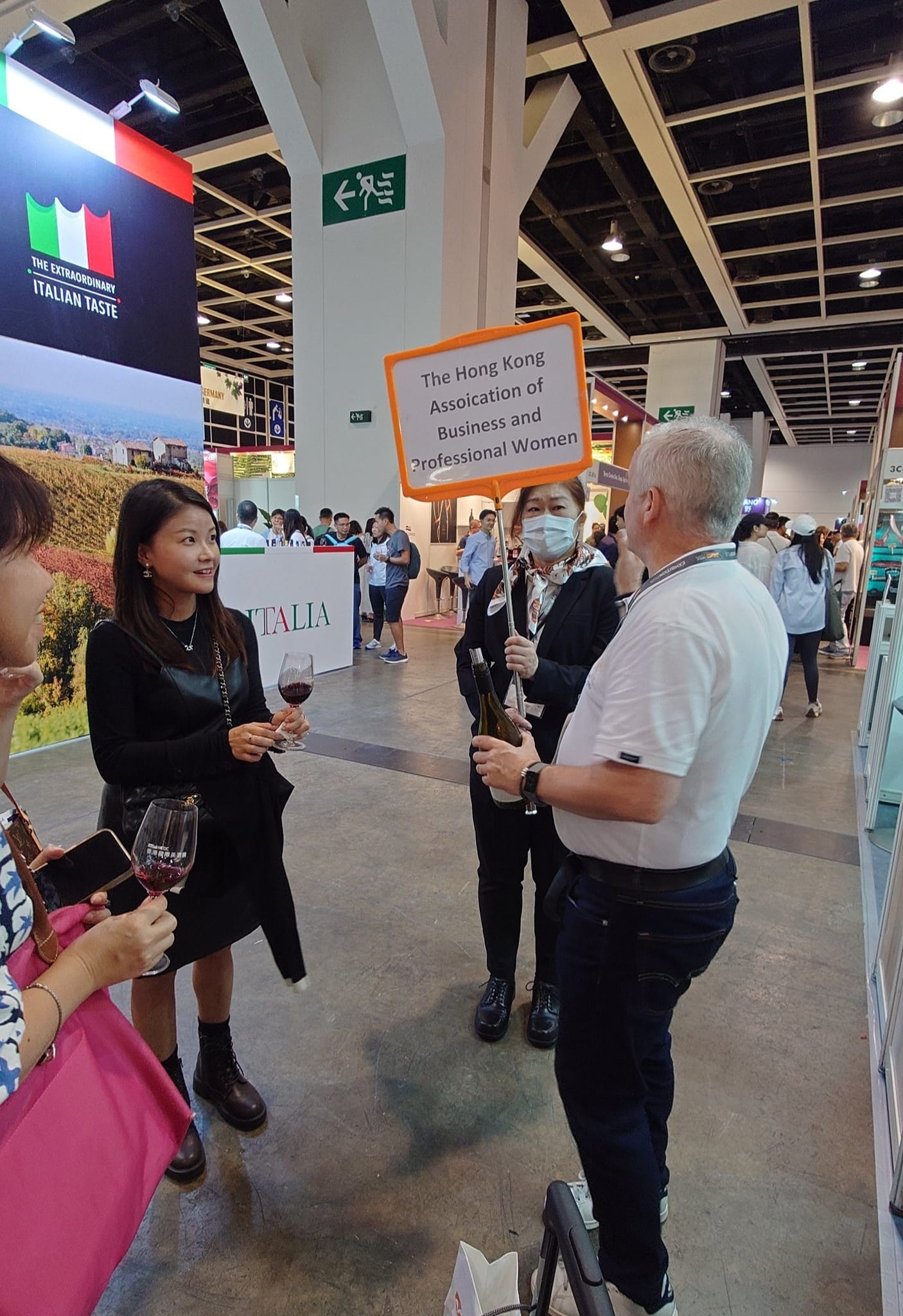
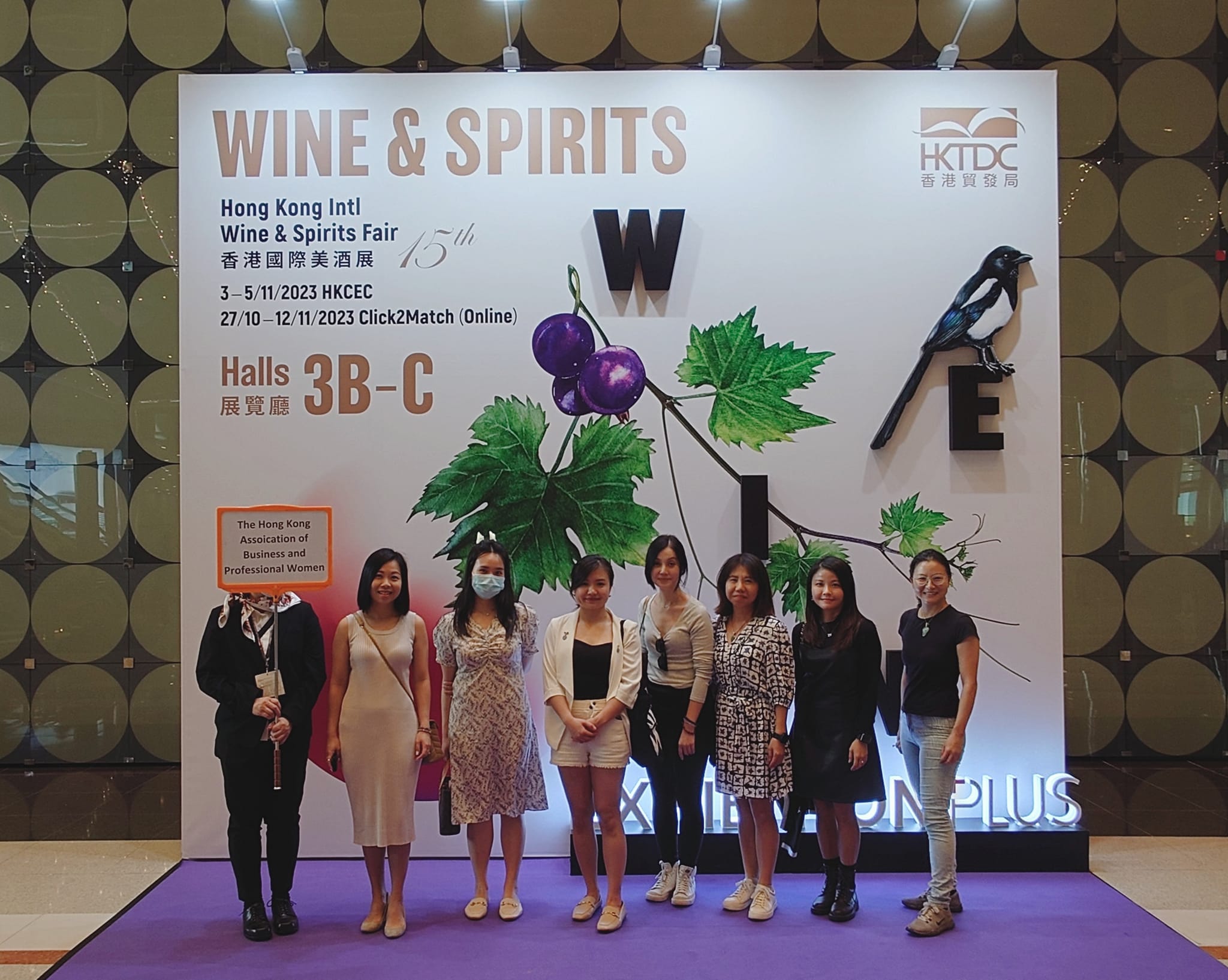
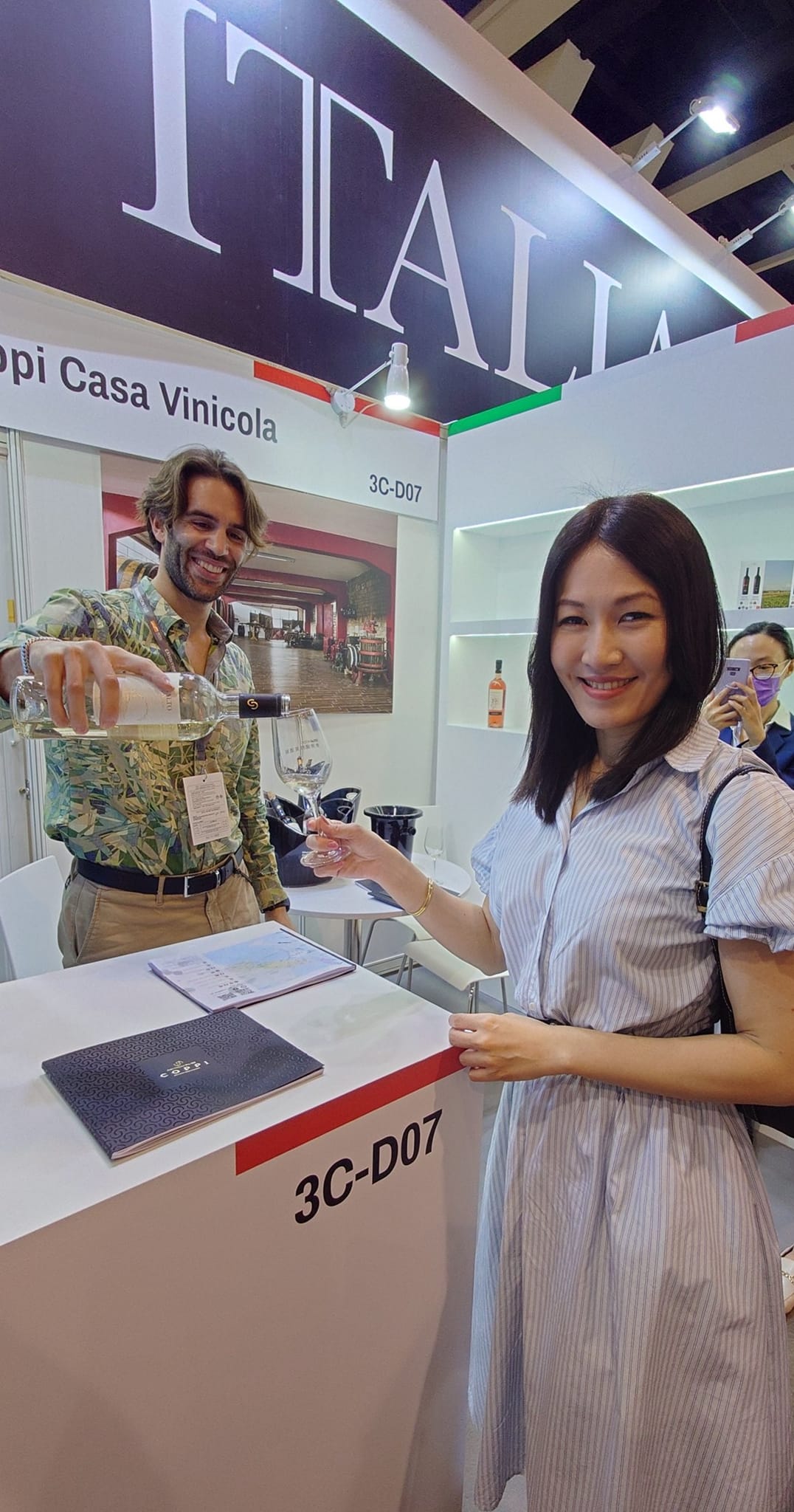
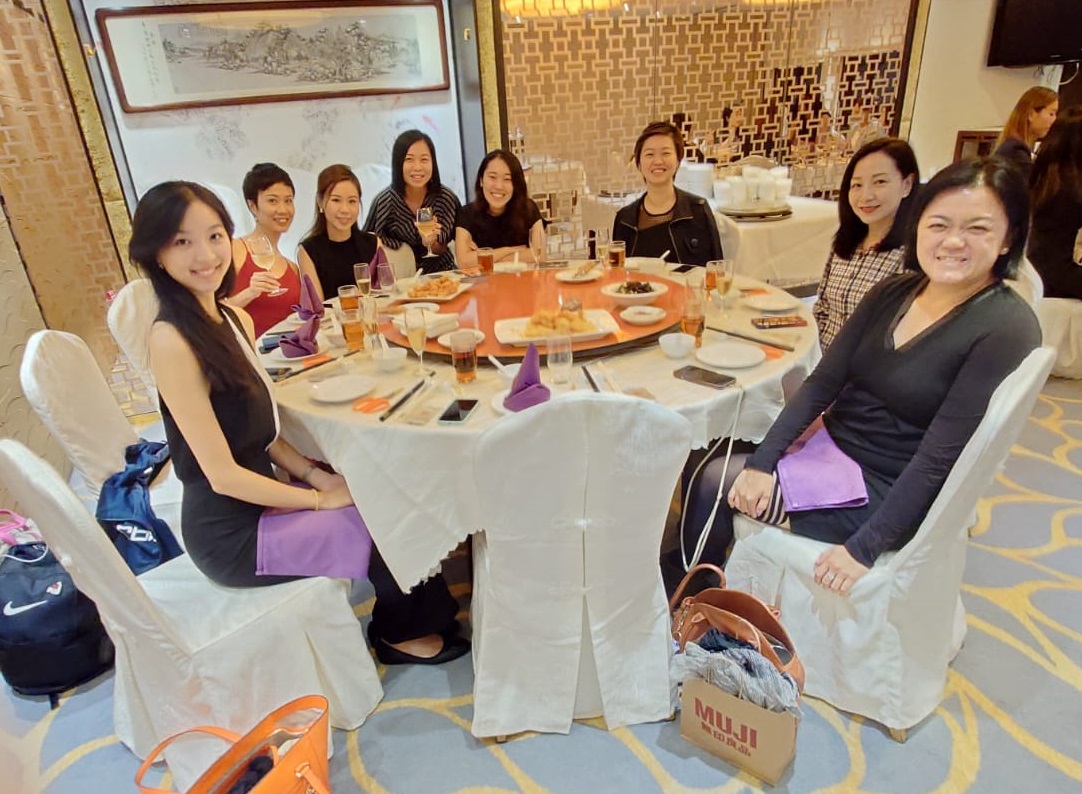
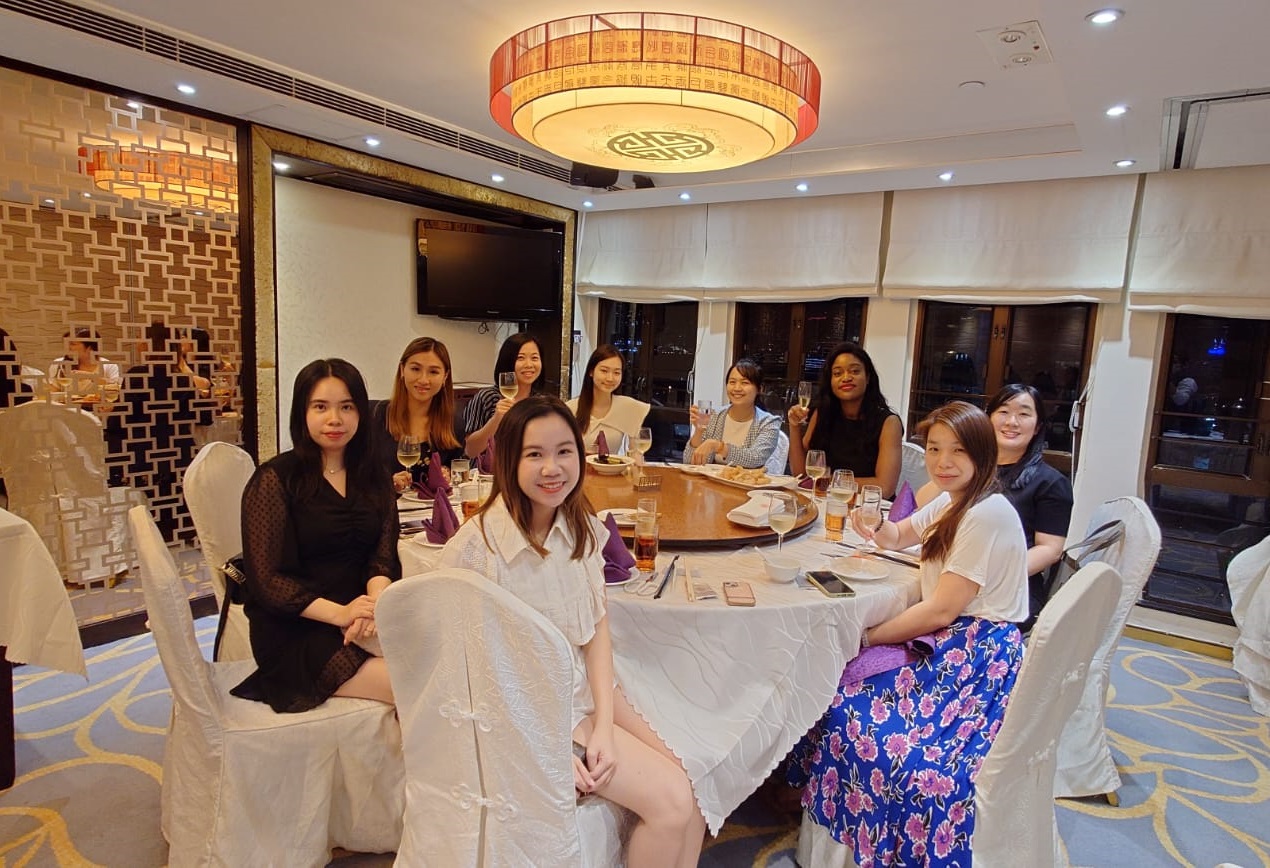
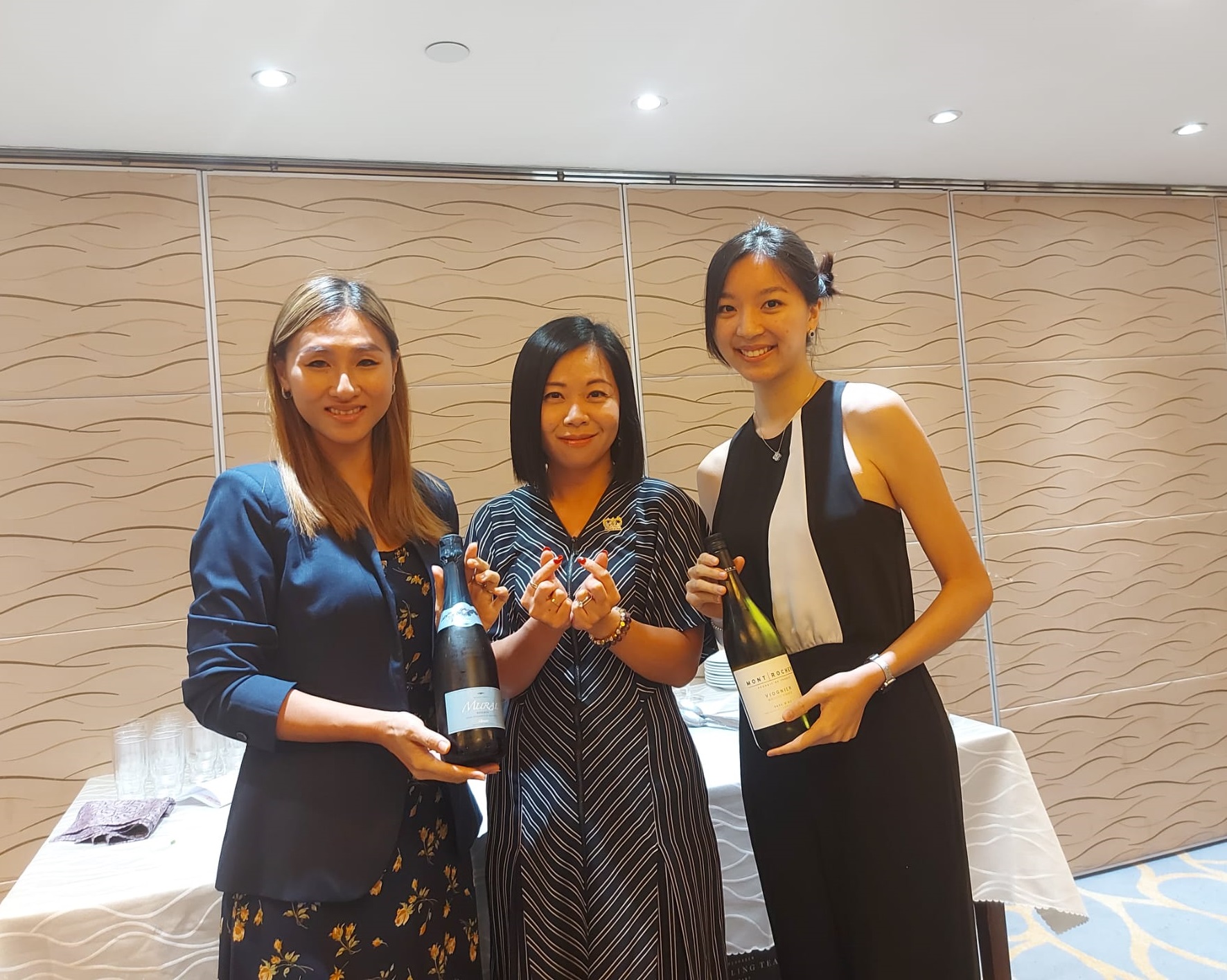
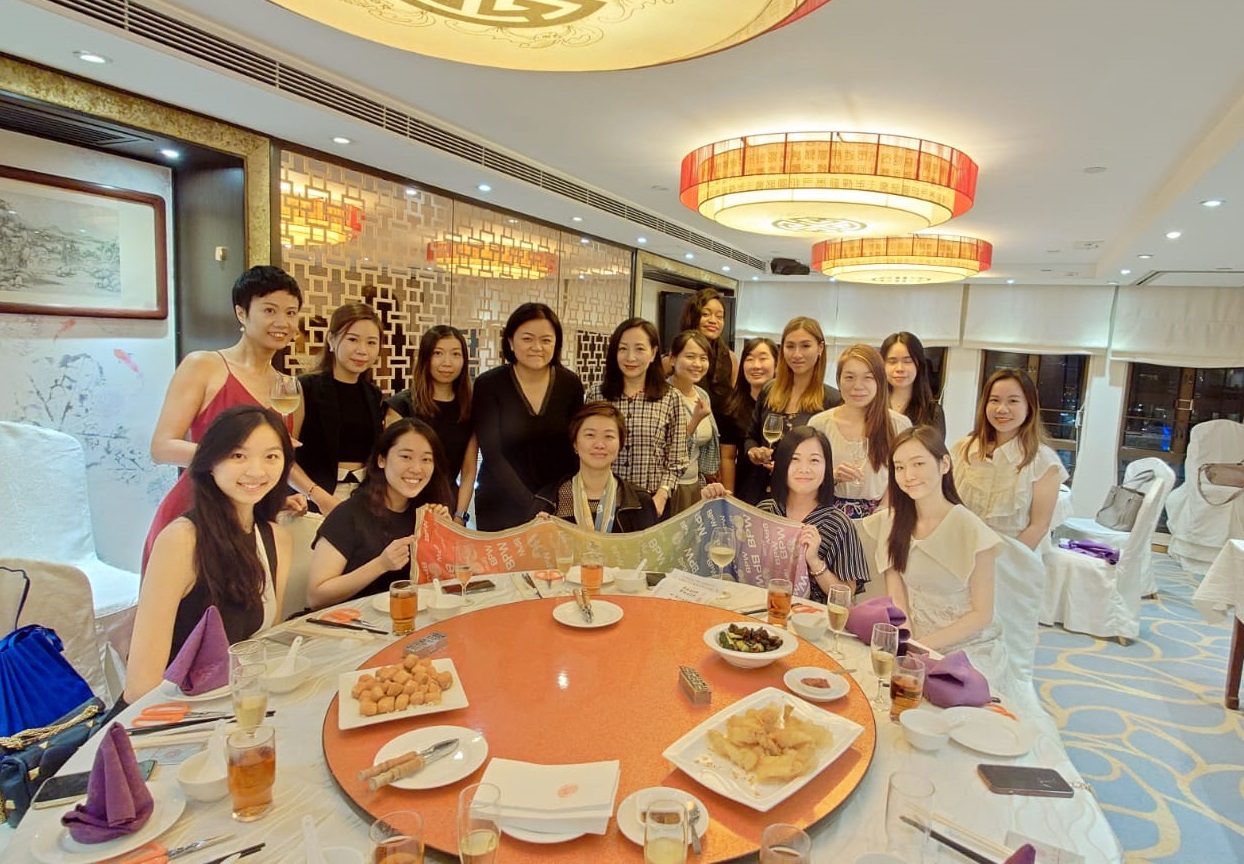
Wonderful gathering at The Chinese Club, Hong Kong on 26 Oct 2023 @ Night Vibes BPWHK Members’ Night Dinner
During the dinner, we started a salon conversation and contributed fruitful responses to the latest measures with regard to HKD20000 handout to couples for each newborn announced by John Lee, the Chief Executive of Hong Kong, in 2023 Policy Address; various needs and support for mothers and families in Hong Kong; and possible measures to improve birth rate.

To support Night Vibes Hong Kong, BPWHK is inviting you to join the Night Vibes BPWHK Members’ Night Dinner!
BPWHK Members’ Night brings our old and new members, like-minded friends, industry professionals and passionate women together to openly discuss salient topics in gender equality, share personal stories, and emerging themes, allowing participants to gain aspirations from each other. BPWHK Members’ Night is open to members and friends of BPWHK. Please join us, meet new friends, exchange ideas and share your experiences as we work together to promote women empowerment and foster a more equal world.
Date: 26 Oct 2023 (Thursday)
Reception: 6:30 PM
Dinner Start: 7:30 PM
Venue: The Chinese Club (華商會所), 8-15/F, Chinese Merchants’ Club Building, 21-22 Connaught Road, Central
Tickets: $320 (including private room service, wine and 8-course dinner)
Registration *First come first served: https://forms.gle/FF39GhzoQPhPNMQ99 (Successful registration will receive a separate text message for payment.)
Inquiry: info.bpwhk@gmail.com


 BPW Hong Kong